


Czick on the road / / The Benefits of Choosing Rail Travel for Long-Distance Trips in China
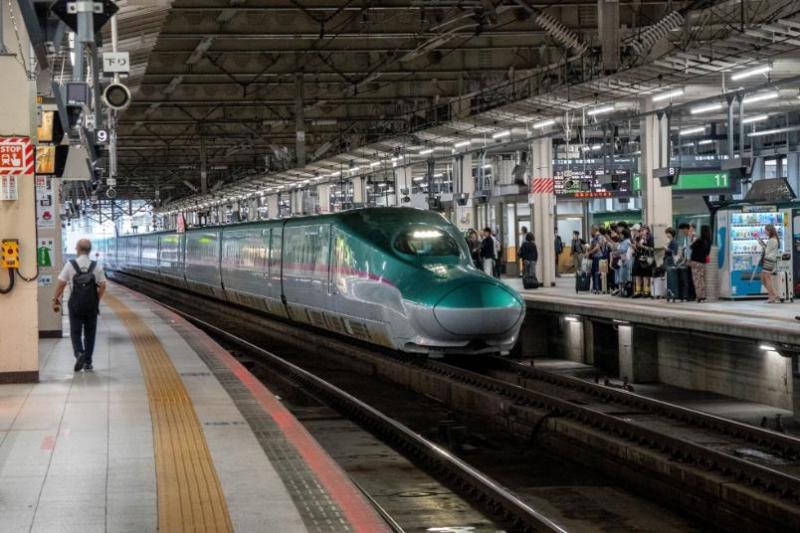
China’s high-speed rail network connects many of the country’s major cities with frequent departures and competitive travel times. For visitors covering long distances, trains offer a practical way to see more of China without spending hours getting to distant airports or waiting for baggage after every flight.
Rail travel also keeps the trip itself interesting. Instead of skipping over the countryside, you get a window into changing landscapes, growing cities and quieter rural areas between stops.
City-centre connections save valuable time
Train stations in China are often better connected to urban transit than airports, though some newer stations still sit outside the historic centre. High-speed services between Beijing and Shanghai, for example, generally take around four and a half to six and a half hours. Once airport transfers and check-in time are included in the calculation, the difference between rail and air may be smaller than expected.
Metro connections make the arrival process easier in cities such as Beijing, Shanghai, Guangzhou and Chengdu. You can step off the train, follow the signs to the subway, and continue toward your hotel without arranging a long transfer.
Before booking, check the station’s full name. Many cities have several terminals, and names such as “South,” “West,” or “Hongqiao” matter. Search the station on a map and estimate the door-to-door travel time, including the trip from your accommodation. A slightly longer train may still be the faster overall choice if it uses a more convenient station.
Planning and booking are manageable
China’s rail system covers thousands of stations, train numbers, and departure options, so start by identifying the exact route and preferred travel window. The letter at the beginning of a train number indicates its service category. G and D services are commonly used for high-speed travel, while other categories may operate more slowly or serve different routes.
Resources offering tips for railway travel in China can help you compare routes, ticket information, schedules, and journey details before committing to an itinerary. This research is especially useful when two stations serve the same destination or when a direct train runs only at certain times.
Keep these details in mind:
- Tickets are tied to the passenger’s identification document.
- The name and document number must match the details used for booking.
- Sales usually open before departure on a rolling schedule.
- Popular trains can fill quickly around national holidays.
- Seat classes vary in price, space, and availability.
China Railway’s official passenger service platform is another useful reference for current booking rules and passenger information.
The ride is comfortable and practical
High-speed trains offer enough space to settle in, read, work or watch the scenery. Seats remain upright and usable throughout most of the trip, while overhead racks and luggage areas keep bags close at hand. Restrooms are available on each train set, and many services have hot-water dispensers for tea, instant noodles, or coffee.
Most stations sell food, but bringing a meal or a few snacks gives you more control over cost and choice. Pack something tidy that won’t create strong odours in a shared carriage. A refillable bottle, tissues, and a portable charger also belong in an easy-to-reach day bag.
Second-class seating suits most travellers and is usually the best value. First class offers wider seats and a quieter atmosphere, which may be appealing on longer routes. Business class costs considerably more and is mainly useful when extra privacy and space justify the expense.
Keep your valuables with you, label larger bags and avoid packing more than you can comfortably move through a busy station.
Rail travel opens up flexible itineraries
China’s extensive network makes it realistic to combine several cities without building the entire trip around flights. A traveller might begin in Beijing, continue to Xi’an and finish in Chengdu, with each rail segment fitting naturally into a multi-city route.
This flexibility works well for shorter side trips too. Shanghai can serve as a base for visits to Hangzhou, Suzhou or Nanjing, while Guangzhou offers convenient connections to Shenzhen and other cities in southern China. Frequent departures on popular corridors mean you may have several possible travel times in one day.
Avoid scheduling every connection too tightly. Large stations can take time to cross, especially when you need to pass through identification checks and locate a waiting area. For separate tickets, leave a generous buffer between trains. An hour may work at a familiar station, but 90 minutes or more is safer for a first visit.
Longer stops can also add variety to an itinerary. Storing luggage and exploring near the station may turn a transfer day into a useful part of the trip.
Trains make the distance part of the experience
Flights can be sensible for routes that cross the whole country, but rail often fits trips between well-connected cities more naturally. It reduces transfer time, keeps you close to the ground and gives you a clear view of how China changes between major urban centres.
The best route depends on total travel time, station location, and ticket availability. Once those three details line up, reserve your preferred departure and save the train number, station name, and address offline. That small record can prevent confusion when a city has several terminals and your travel day is already busy. Travelling by train is also one of the best ways to travel without breaking the bank while enjoying a country's scenic beauty.
Comments
The Benefits of Choosing Rail Travel for Long-Distance Trips in China
